
The fossil fuels measured were coal, oil and natural gas, while renewable sources were biofuels and waste, wind, solar and hydro. The figures were sourced from the International Energy Agency (IEA).
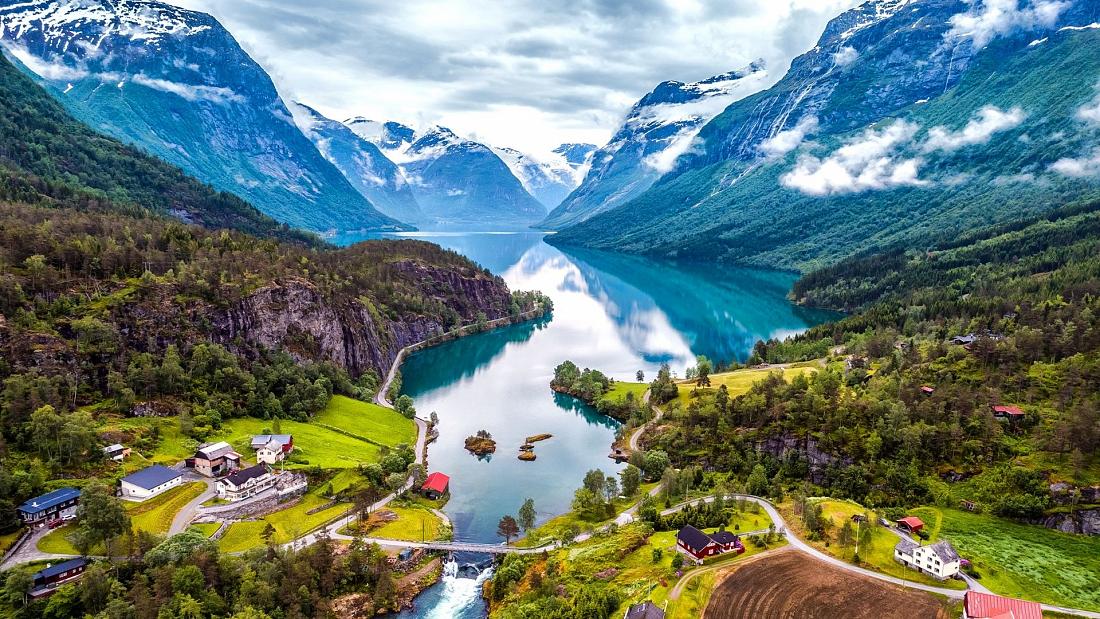
56 per cent of Norway’s total energy usage comes from renewable sources, while the UK ranks 20th with clean energy only accounting for a dismal 13 per cent.
What do Norway, Brazil and New Zealand have in common?
These three countries are all world leaders when it comes to renewable energy. They came first, second and third respectively in the rankings.
Norway utilises hydropower more than any other country around the globe – it accounts for 45 per cent of its supply alone. The Nordic country is known for its many steep valleys and rivers, as well as increased rainfall due to climate change, meaning hydroelectricity is bountiful.
With the second highest supply of renewable energy, Brazil is the leader in biofuel and waste energy. These sources account for 32 per cent of its total energy supply.
It is the second-largest producer of ethanol fuel and is an industry leader, with sugarcane-based ethanol being touted as the most successful alternative fuel to date.


Follow Us