
Construction orders taken during the second quarter of the year soared 20% compared to the previous quarter.
The large rise was dominated by the 75% increase in infrastructure, which accounted for £1.2bn of the £2.1bn increase in new orders.
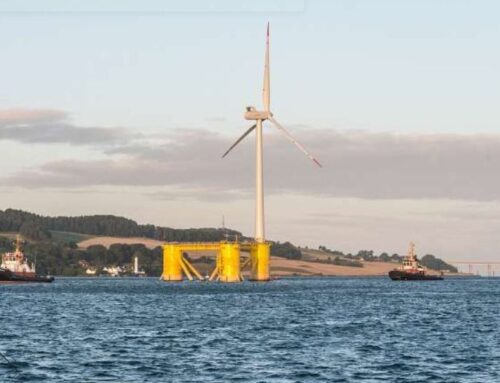
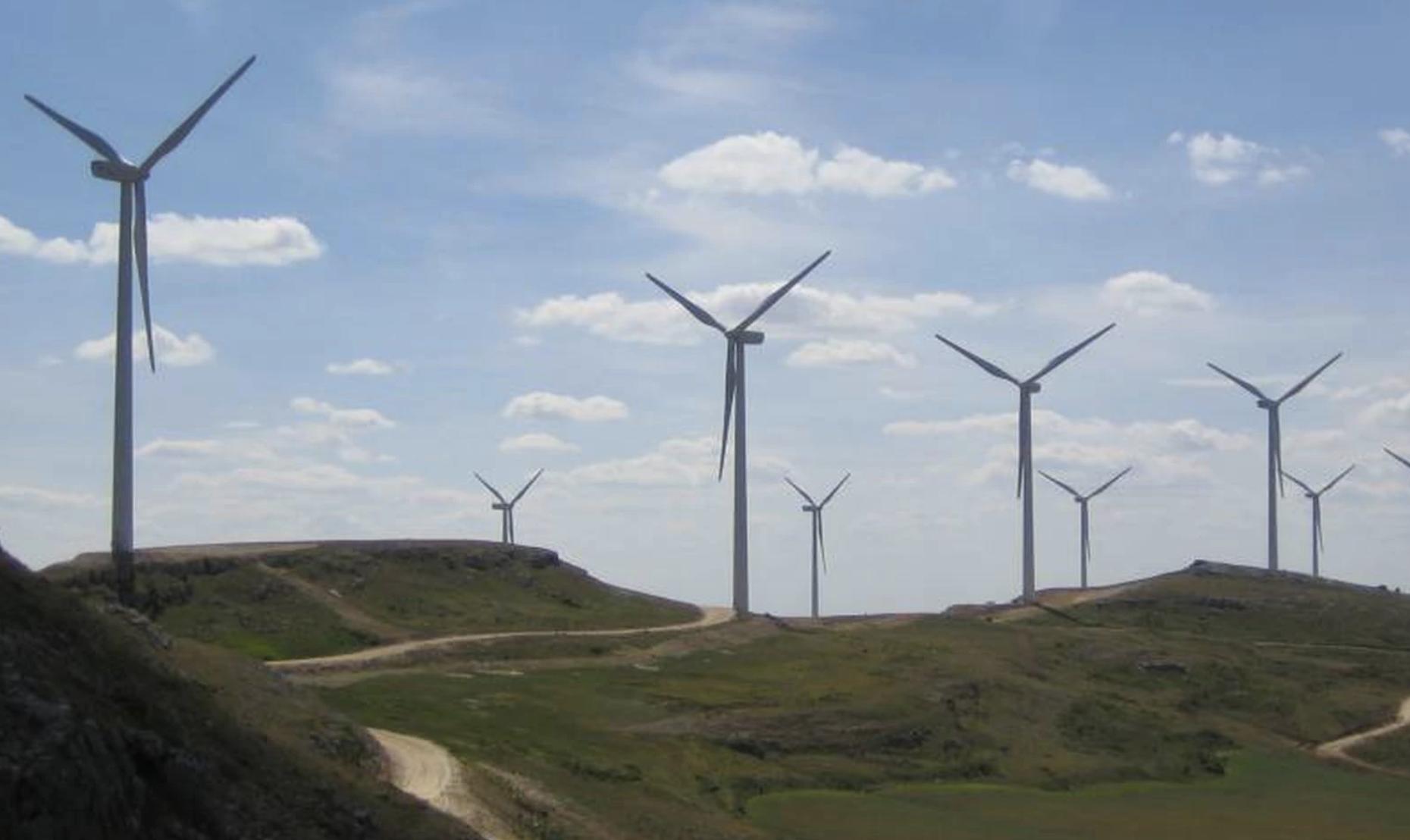
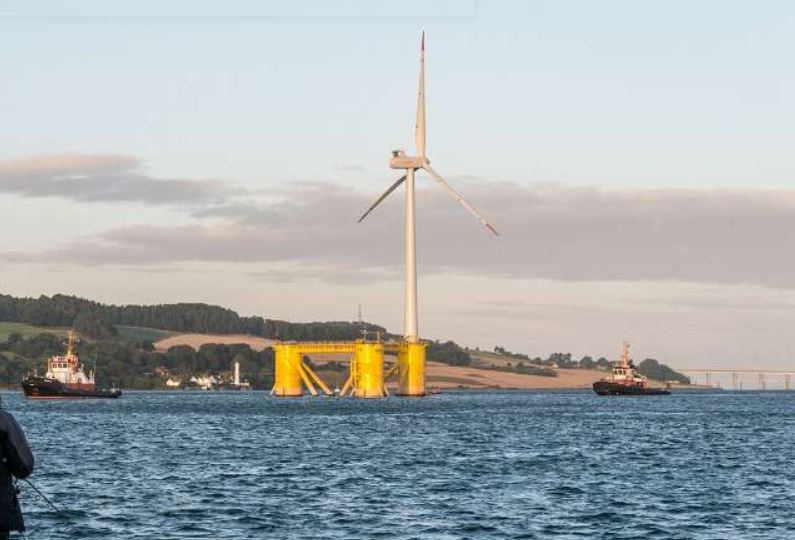
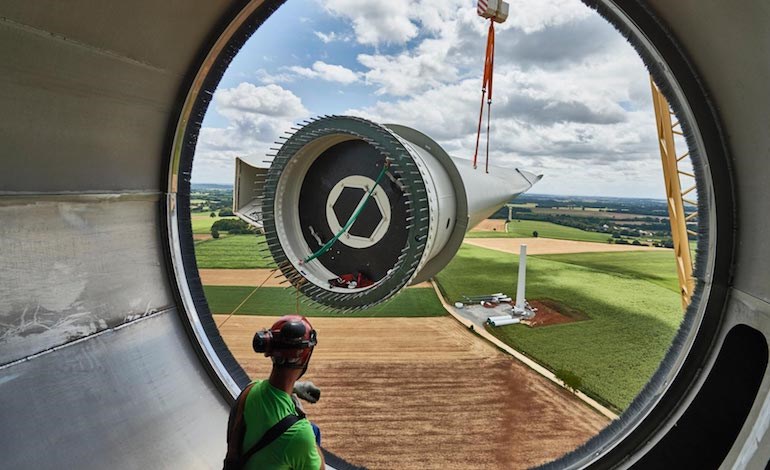
Evidence collected shows that there were a high number of electricity projects in Q2 led by new orders for wind turbines and solar farms.
There was also a strong rise in orders for new housing, which recorded its largest growth since 2010 and its highest volume since 2007.
More encouraging was 10% uplift in commercial orders – as this sector has been languishing since the crash in 2008.
The latest stellar figures will feed growing confidence in construction that the recovery is gaining pace.
Although some experts have warned that the latest jump also coincides with a new way of collecting the data which could be inflating the figures artificially.
Simon Rawlinson, Head of strategic research and insight at EC Harris, said: “Growth at this rate has not been seen since 2009 when special measures were put in place to stimulate the economy.
“Other industry indicators such as the Markit PMI have been accelerating during the summer, suggesting that third quarter volumes could be even higher.
But he also warned: “Statistics always need to be read with care, and with a change of provider and assessment method coinciding with a big upturn, it is conceivable that some of the increase is related to measurement, not activity.
“It is also important to remember that 2013 activity levels are still below those seen in 2012, and the industry will recover from a very low base.
The ONS quarterly orders data also now comes with fresh output figures for the month of July. These also offered long overdue good news with construction up 2.2% compared with June and 2% on same month last year.
The rise was fed by strong gains in new work output, up 3.2% on the previous month and 5.8% on July 2012.
The three-month trend figures for May-July showed construction output was just 0.8% up on the same time last year, but 2% up on the preceding three-months in 2013.





Follow Us