

A single bundled cable now links the North Sea’s mightiest wind farm to millions of homes. The scale of what’s coming is hard to overstate.
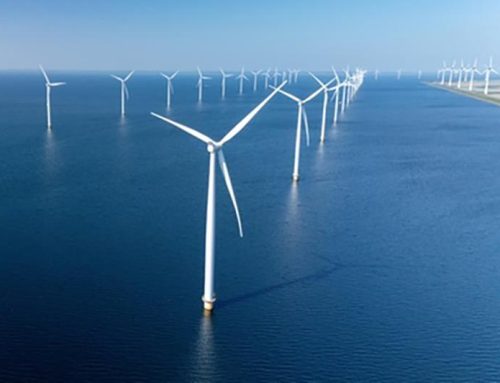
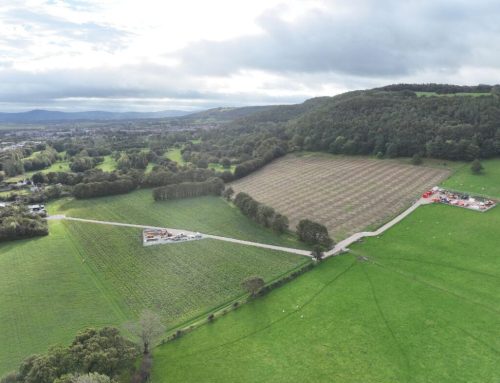
A bundled cable assembly carrying two high-voltage power lines and a fibre optic data strand was pulled from the North Sea seabed onto the Norfolk coast on March 26, physically connecting the world’s largest offshore wind farm to Britain’s electricity network for the first time. The operation established the initial transmission route for Hornsea 3, a 2.9-gigawatt project that will supply clean electricity to more than 3.3 million homes across the United Kingdom.
The cable pull is the most tangible construction milestone yet for the £8.5 billion development, which sits roughly 120 kilometres off the Yorkshire coast and has been in preparation since 2018. Hornsea 3 is expected to be fully operational by the end of 2027. At that point it will generate enough power to meet the average daily needs of a population larger than Greater Manchester, Liverpool, and Leeds combined.
That scale arrives at a critical moment for British energy infrastructure. The UK currently runs about 15 gigawatts of offshore wind capacity. Hornsea 3 alone forms a large piece of the government’s target of 50 gigawatts by 2030. Duncan Clark, Head of Ørsted UK and Ireland, called the project “a cornerstone in achieving the UK government’s climate and clean energy targets while increasing energy independence and creating local jobs.” It will, he added, “make a significant contribution towards the UK Government’s ambitious target of 50 GW of offshore wind by 2030 and net-zero by 2050.”
Inside the Export Cable
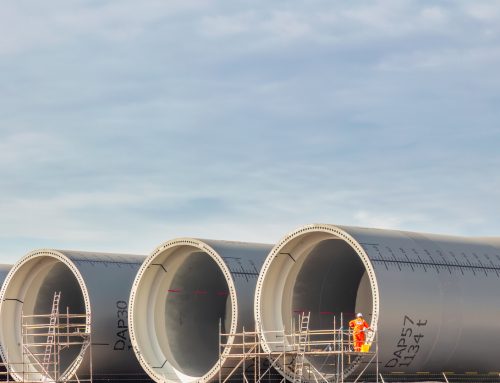
The export cable bundles two high-voltage direct current cables with a fibre optic strand that sends operational data back to the control centre. Packaging them together cuts the number of separate laying runs and shields each component during installation. Belgian marine contractor Jan De Nul Group is handling the offshore work, tasked with laying a total of 680 kilometres of export cable before the end of 2026.
Source: Indian Defence Review


Follow Us